Real Estate 3D Camera: The Ultimate Guide
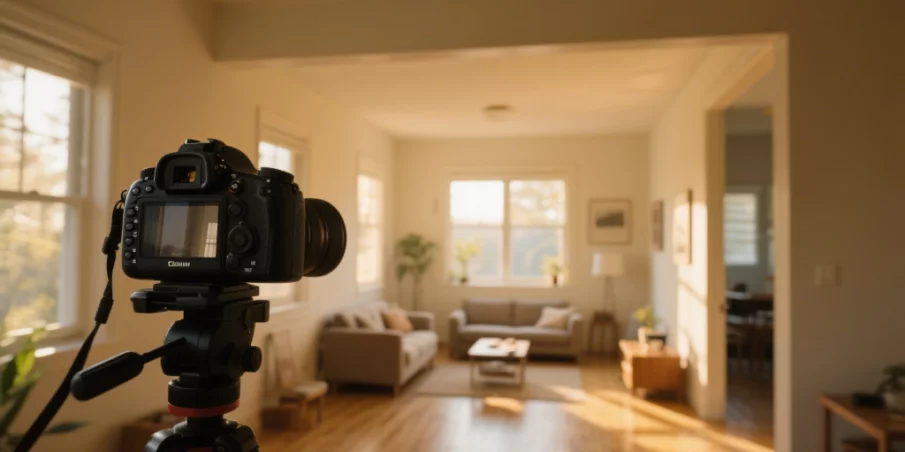
Hey there, have you ever scrolled through house listings online and wished you could actually walk through the rooms without leaving your couch? That's where a real estate 3D camera comes in handy. It's like having a magic wand that turns flat photos into full-on virtual tours, letting you explore every nook and cranny of a property. If you're someone who's house hunting or just curious about how tech is changing the way we look at homes, this is going to be a fun read. We'll chat about what these cameras are, how they work, and why they're such a game-changer for anyone involved in buying or selling real estate. Stick around, and by the end, you'll feel like an expert on real estate 3D cameras without all the confusing tech talk.
Imagine you're trying to sell your cozy family home, but potential buyers are miles away. A real estate 3D camera lets you create an interactive experience that feels almost as good as being there in person. These tools aren't just for fancy agents; they're accessible for everyday folks too. We'll dive into the details, sharing tips and examples that make sense for regular people like you and me. Whether you're dreaming of your next home or thinking about listing one, understanding real estate 3D cameras can make the whole process way more exciting and less stressful.
What is a Real Estate 3D Camera?
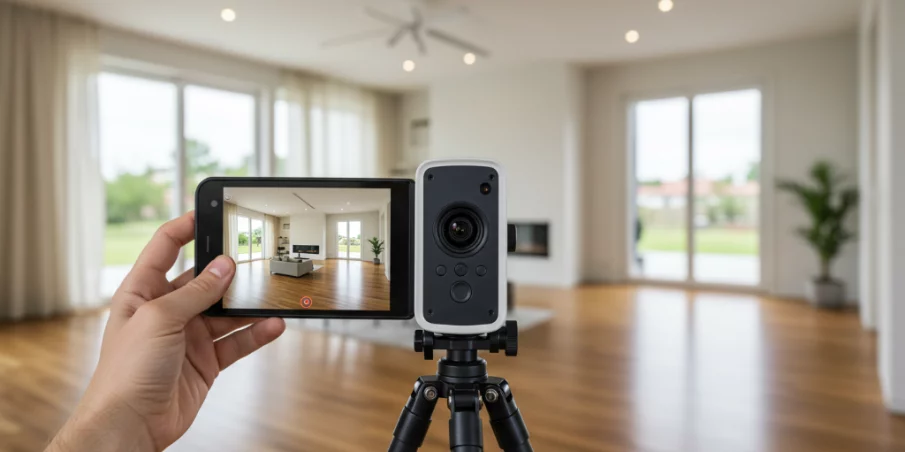
So, let's start with the basics: what exactly is a real estate 3D camera? Picture a device that's part camera, part scanner, designed specifically to capture properties in three dimensions. Unlike your standard smartphone snap, a real estate 3D camera builds a digital model of the space, allowing viewers to move around virtually as if they were walking through it. It's all about creating that immersive feel, where you can peek into closets, check out the kitchen layout, or even measure room sizes from afar. These cameras use advanced sensors to map out rooms, stitching together hundreds of images into a seamless 3D view.
Think about how this plays out in real life. Say you're eyeing a charming bungalow online, but the photos only show a few angles. With a real estate 3D camera, the listing could include a tour where you click and drag to look around, zooming in on details like the hardwood floors or the backyard view. This tech has become popular because it bridges the gap between static images and actual visits, making it easier for buyers to get a true sense of the place. And it's not just for homes; commercial spaces like offices or retail spots benefit too, as the 3D models highlight layouts and features that flat photos might miss.
One key thing to know is that real estate 3D cameras come in different flavors, from handheld gadgets to more professional setups. They're equipped with things like lidar sensors or multiple lenses that capture depth and distance, turning a simple scan into a detailed virtual replica. If you've ever used a VR headset or played around with Google Street View, it's similar but tailored for properties. This makes them perfect for anyone who wants to showcase a space without relying on imagination alone. Have you ever passed on a listing because the photos didn't do it justice? A real estate 3D camera solves that by providing a more complete picture, literally.
These cameras aren't overly complicated either. Many are designed with user-friendly interfaces, so even if you're not a tech whiz, you can get started quickly. Pair it with some basic software, and you're on your way to creating tours that make properties feel alive. It's this accessibility that has made real estate 3D cameras a go-to for sellers looking to attract more interest without a huge investment in time or money.
How Real Estate 3D Cameras Work
Alright, let's get into the nitty-gritty of how a real estate 3D camera actually does its thing. It starts with scanning the property, where you move the camera through each room, capturing images from various angles. The device takes hundreds of photos, using built-in tech like infrared sensors to measure distances and create a point cloud—a kind of digital skeleton of the space. Then, software stitches these together into a 3D model, which you can navigate online. It's straightforward once you get the hang of it, kind of like filming a video but with way more depth.
For example, take a typical house scan. You might start in the living room, slowly rotating the real estate 3D camera to cover every wall and corner. As you move to the kitchen, the camera builds on the previous data, ensuring the virtual tour flows naturally from one area to the next. This process can take anywhere from 30 minutes for a small apartment to a couple of hours for a larger home, depending on the camera's speed and the property's size. The result? An interactive tour where users can click to "walk" through doors or look up at ceilings, all from their computer or phone.
What's cool is how these cameras handle enhancements. Some models let you add labels for features like "spacious walk-in closet" or even virtual furniture to stage empty rooms. This isn't magic; it's based on precise mapping that captures real measurements, so buyers can trust what they're seeing. If you're wondering why this matters, consider a buyer who's relocating across the country—they can explore the home thoroughly without booking a flight. Real estate 3D cameras make this possible by combining photography with spatial data, creating experiences that feel personal and engaging.
The software side is where the real fun happens. After capturing the raw data, apps or programs process it into a polished tour. You can edit out imperfections, adjust lighting, or even integrate floor plans. It's like directing your own mini movie of the property, ensuring every angle tells a story. For someone new to this, starting with a guided app tutorial can make the whole process feel less intimidating and more like a creative project.
Benefits of Using a Real Estate 3D Camera
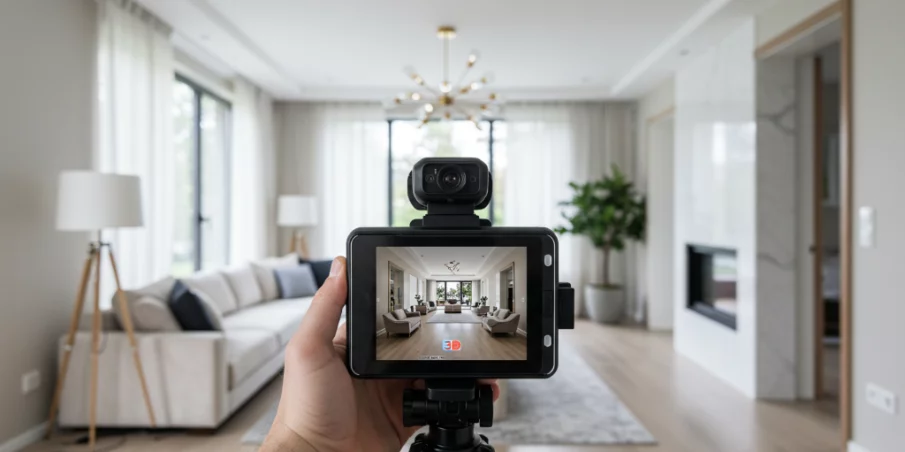
Now, why bother with a real estate 3D camera when regular photos have worked for years? Well, the benefits are pretty compelling, especially if you're trying to stand out in a crowded market. For starters, these cameras boost buyer engagement big time. Listings with 3D tours get more views and inquiries because they let people interact with the property, building an emotional connection before they even step inside. It's like test-driving a car online—you get a feel for it without the commitment.
Take a relatable scenario: you're selling a fixer-upper with a quirky layout. Flat photos might confuse buyers, but a real estate 3D camera reveals how the spaces connect, highlighting potential like turning an awkward corner into a cozy reading nook. This transparency builds trust, as viewers see the real deal, warts and all, which can lead to faster decisions and fewer surprises during showings. Plus, for sellers, it means less foot traffic through the house, saving time and hassle while still attracting serious interest.
Another perk is how these tools cater to remote buyers. In our busy world, not everyone can drop everything for an open house. A real estate 3D camera opens up the property to a wider audience, including out-of-towners or international folks. And let's not forget about commercial real estate—think office spaces where clients need to visualize workflows or accessibility. These cameras provide detailed floor plans and 3D models that help businesses evaluate fit without multiple visits. Overall, it's about making the process more efficient and enjoyable, turning what could be a stressful search into something almost fun.
Don't overlook the marketing edge either. Agents using real estate 3D cameras report shorter time on market, sometimes by significant margins. Why? Because immersive tours stand out on listing sites, drawing more clicks and shares. If you've ever browsed real estate apps, you know how quickly you skip boring listings—a dynamic 3D view keeps you hooked longer. It's a win-win, helping sellers close deals quicker and buyers find homes that truly match their vision. Plus, in a digital age, having that tech-savvy touch can make your listing feel modern and appealing.
One more benefit worth mentioning is the cost savings over time. While there's an upfront investment in a real estate 3D camera, it reduces the need for repeated photoshoots or physical stagings. Virtual staging through these tours lets you experiment with decor without buying a thing, appealing to budget-conscious sellers. Imagine redecorating a room digitally to suit different tastes—it's flexible and fun, making the property more marketable to a diverse crowd.
Top Real Estate 3D Cameras in 2025
If you're convinced and ready to pick up a real estate 3D camera, let's talk about some top options available right now in 2025. I've rounded up a few standouts based on their features, ease of use, and how well they suit everyday real estate needs. These aren't just random picks; they're popular choices that deliver great results for creating virtual tours.
Insta360 X5
First up is the Insta360 X5, which many folks call the best overall real estate 3D camera for pros and hobbyists alike. This bad boy shoots in 8K video resolution with 72MP photos, meaning your tours will look incredibly sharp and detailed. It's got excellent low-light performance, so even dimly lit basements come out clear, and features like FlowState stabilization keep everything steady as you walk around. Imagine scanning a luxury condo at dusk—the X5 captures those warm evening vibes without any blur. It's weather-resistant too, perfect for outdoor shots of yards or patios. If you're new to this, the user-friendly app makes editing a breeze, and it's compatible with platforms for quick uploads. Priced around the higher end, it's worth it for anyone serious about high-quality real estate 3D camera work.
What sets the X5 apart is its versatility. You can use it for timelapses to show how light changes in a room throughout the day, adding a dynamic element to your tours. It's rugged enough for on-the-go use, whether you're touring a suburban home or a city apartment. Users love how it handles complex spaces, like multi-level houses, without losing detail.
Ricoh Theta Z1
Next, the Ricoh Theta Z1 shines for those who prioritize still images in their real estate 3D camera setup. With 4K video and 23MP photos, it excels in dynamic range and color accuracy, making properties pop with true-to-life hues. Its compact design fits easily in your bag, and the internal storage means you won't run out of space mid-scan. What I love is its RAW photo support, which lets you tweak images later for that perfect look. Picture using it for a high-end home listing—the superior low-light handling ensures every room, from sunny kitchens to shaded studies, looks inviting. It's a solid choice if you're focusing on professional editing without needing all the bells and whistles of bulkier models.
The Z1 is particularly great for quick jobs, like scanning a small office or condo. Its simple controls make it approachable, and the results are professional enough to impress clients or buyers.
Matterport Pro2
For something more specialized, the Matterport Pro2 is a powerhouse real estate 3D camera that's great for creating detailed scans and floor plans. It captures high-res 2D photos alongside 3D models, and it's designed for larger spaces. This one integrates seamlessly with cloud platforms, so you can generate virtual tours that include accurate measurements and even dollhouse views of the entire property. Think about a commercial building— the Pro2 maps out offices and hallways precisely, helping clients visualize setups. While it's on the pricier side, its all-in-one capabilities save time, making it ideal for anyone handling big properties or needing pro-grade results.
It's especially useful for new developments, where you can create pre-construction tours to sell units early. The precision in mapping makes it a favorite for accurate representations.
Insta360 X4
If budget is a concern but you still want solid performance, check out the Insta360 X4 as a more affordable real estate 3D camera option. It offers 8K video with strong stabilization and horizon lock, ensuring smooth tours even if you're moving quickly. The low-light mode is impressive for its price, and it includes timelapse features for dynamic property showcases. Say you're touring a suburban home—the X4 captures vibrant colors and details without breaking the bank. It's rugged and easy to use, making it a great entry point for beginners dipping their toes into real estate 3D camera tech.
This model is perfect for casual users who want quality without complexity. Its portability means you can take it anywhere, from rural properties to urban lofts.
Ricoh Theta X
Rounding out the list is the Ricoh Theta X, known for its simplicity and high-res stills at 60MP. The large touchscreen and internal storage make it user-friendly, especially if tech isn't your strong suit. It shoots 5.7K video and is perfect for quick scans of residential properties. Imagine setting it up in a cozy apartment— the intuitive interface lets you create tours fast, with good stitching for seamless views. It's a budget-friendly pick that doesn't skimp on quality, ideal for casual users or agents just starting with real estate 3D cameras.
The Theta X stands out for its ease, making it a top choice for those who value speed over advanced features.
How to Choose the Right Real Estate 3D Camera
Picking the perfect real estate 3D camera can feel overwhelming with so many options, but it boils down to a few key factors that match your needs. First, consider resolution and image quality—higher megapixels mean sharper tours, which is crucial for showcasing details like textures or lighting. If you're dealing with luxury homes, something like 8K capability ensures everything looks premium. On the flip side, if you're on a budget, a 4K model still delivers impressive results without the hefty price tag.
Ease of use is another biggie. Do you want a real estate 3D camera that's plug-and-play, or are you okay with a learning curve for more features? Models with intuitive apps and quick setup are great for beginners, while pros might prefer ones with advanced editing options. Think about portability too—compact designs are easier to carry around properties, especially if you're scanning multiple spots in a day. And don't forget compatibility; ensure it works with popular virtual tour platforms for seamless sharing.
Battery life and durability matter, especially for outdoor or all-day shoots. A weather-resistant real estate 3D camera handles rain or dust, keeping you going without interruptions. Finally, weigh the cost against what you get—entry-level options are fine for basic tours, but investing in a higher-end model pays off for frequent use. Ask yourself: How often will I use this? What kinds of properties am I working with? Answering these helps narrow it down to the right fit. Also, read user reviews to see how others have fared in real-world scenarios, like handling tricky lighting or large spaces.
Tips for Using a Real Estate 3D Camera Effectively
Once you've got your real estate 3D camera, a few tips can help you make the most of it. Start by planning your scan path—walk through the property logically, like from front door to backyard, to create a natural flow in the tour. Lighting is key; aim for even, natural light to avoid shadows that could distort the 3D model. If a room is too dark, some cameras have modes to compensate, but good prep goes a long way.
Keep the space tidy and staged simply—clutter can distract in a virtual tour, so clear out unnecessary items to let the architecture shine. As you scan, move slowly and steadily to give the real estate 3D camera time to capture accurate data; rushing leads to glitches in the final model. After scanning, review the tour on your device and add enhancements like labels or measurements to make it more informative.
Sharing is half the battle—upload to listing sites or social media for maximum reach. Encourage viewers to interact by highlighting features in your description, like "Take a 3D walk through the open-concept kitchen!" Practice on a few properties to build confidence, and soon you'll be creating tours that wow potential buyers. Remember to update your tours if changes happen, like a fresh coat of paint, to keep things current.
For the best results, combine your real estate 3D camera with other tools, like a tripod for stability or apps for virtual staging. This elevates the tour from good to great, making it more engaging. If you're collaborating with an agent, share tips on what makes a scan successful, turning it into a team effort.
Common Challenges and How to Overcome Them
Like any tech, real estate 3D cameras come with a few hurdles, but they're easy to jump over with some know-how. One common issue is dealing with reflective surfaces, like mirrors or shiny floors, which can confuse the sensors and create glitches in the model. To fix this, try covering large mirrors during the scan or adjusting the camera's settings for better handling of reflections. It's a small tweak that makes a big difference in the final tour.
Another challenge is scanning large or oddly shaped spaces, where the camera might miss spots or struggle with connectivity. Break it into sections—scan one floor at a time—and use markers if needed to align the data. If battery life is a concern during long sessions, keep a portable charger handy. And for software glitches, always update your apps and camera firmware to stay on top of improvements.
Lighting inconsistencies can also trip you up, making some areas look washed out or too dark. Scout the property beforehand and scan during the day when natural light is even. If that's not possible, use the camera's HDR modes to balance things out. Overcoming these keeps your real estate 3D camera tours looking professional and reliable.
Real-Life Examples of Real Estate 3D Camera Success
To see how powerful a real estate 3D camera can be, let's look at some everyday examples. Picture a real estate agent in a bustling city who started using one for apartment listings. Before, buyers would schedule viewings only to realize the layout didn't suit them. With 3D tours, they could explore remotely, leading to more qualified showings and quicker sales. It's like giving buyers a sneak peek that saves everyone time.
Or consider a homeowner selling a rural property far from town. Traditional photos didn't capture the expansive views or unique features, but a real estate 3D camera tour let out-of-state buyers "walk" the land and rooms, sparking interest that turned into offers. These stories show how the tech levels the playing field, making distant properties as accessible as local ones.
In commercial real estate, a broker used a real estate 3D camera to showcase office spaces to businesses. Clients could visualize desk arrangements and flow without site visits, closing deals faster. It's relatable—think about shopping for a new workspace; wouldn't you love to tour it virtually first?
Integrating Real Estate 3D Cameras with Other Tech
A real estate 3D camera doesn't have to work alone; pairing it with other tools amps up its impact. For instance, combine it with drone footage for aerial views that complement the interior tour, giving a full picture of the property. This is great for homes with large yards or unique exteriors, making the listing stand out.
Virtual reality headsets take it further, letting buyers immerse themselves fully. Imagine strapping on a headset to "stroll" through a potential home—it's engaging and memorable. Apps for virtual staging let you add furniture digitally, helping empty spaces feel lived-in without the cost of physical staging.
Social media integration is key too. Share snippets of your real estate 3D camera tours on platforms like Instagram or Facebook to draw in viewers, then link to the full experience. It's a smart way to market without overwhelming your audience.
Conclusion
According to tech experts who write for us on real estate, a real estate 3D camera is more than just a gadget—it's a way to make property hunting and selling feel personal and accessible. From capturing immersive tours to helping buyers visualize their future home, these tools bring a lot to the table for everyday folks like us.
If you're curious to try one, start small and see how it transforms your experience. Who knows, it might just make your next move a whole lot smoother.
More to Read:









Previous Posts: