Using a Promissory Note Sale to Free Up Capital for New Investments
If you’re holding a promissory note, you might feel like you’re sitting on a locked treasure chest. You know there’s value in it but you can’t spend or invest that value today. Maybe you’re eyeing a new business venture, a promising real estate deal, or even just want to diversify your financial portfolio. Selling your promissory note could be the key to unlocking immediate capital. Let’s walk through how a promissory note sale works, why people do it, what you need to know before selling, and how this strategy can support your investment goals.
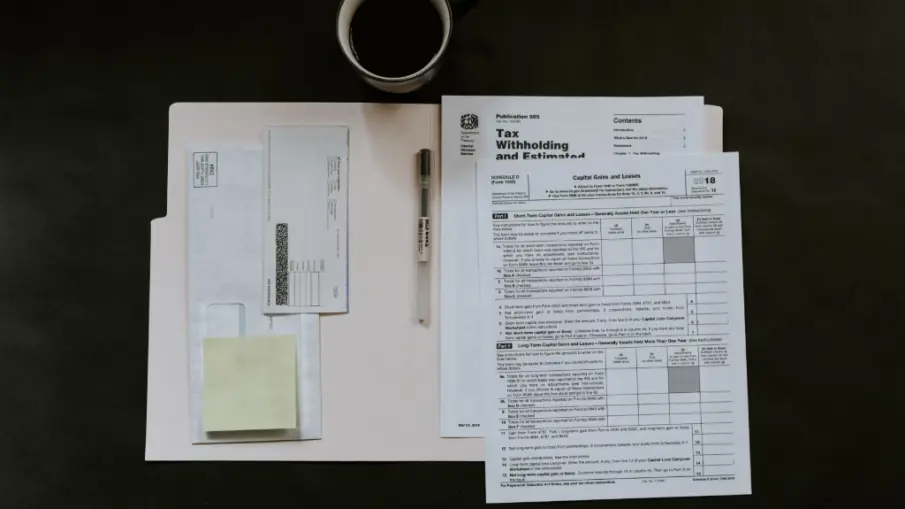
What Promissory Notes Are
Promissory notes are legally binding agreements where one party agrees to repay another a specific sum of money under certain terms. They’re common in real estate, private lending, and business financing. You, as the note holder, are the one owed the money. In many cases, these notes stretch out for years, with monthly payments trickling in over time. That’s great for passive income, but not so helpful if you need a lump sum now.
That’s where the idea of selling your promissory note comes in. Instead of waiting years to collect full repayment, you can sell the note (often at a discount) to someone else in exchange for a large upfront payment.
Why Some Investors Decide To Sell
The most obvious reason is liquidity. Selling your note gives you immediate access to cash, which you can reinvest into higher-yield opportunities or urgent financial needs.
Sometimes, investors want to reduce risk exposure. If the borrower’s financial situation has changed or the real estate market is uncertain, cash out might be safer. You’re transferring the risk (and the reward) to someone else.
Also, managing a note can be time-consuming. If you’re tired of chasing payments or keeping up with paperwork, selling can free up your time and peace of mind.
Best Times to Make Your Move
Timing matters. If your note is seasoned meaning it has a consistent payment history, it’s more attractive to buyers. A note that’s just a few months old may raise red flags, whereas a 12- to 24-month payment track record can inspire confidence.
Interest rates also play a role. Buyers will find it more appealing when market rates are low and your note carries a higher interest rate. Additionally, if property values rise, secured real estate notes become more valuable thanks to better collateral.
Simplifying the Selling Process
The process is surprisingly straightforward when you work with experienced note buyers. If you’re unsure where to begin and want a step-by-step guide on how to sell a promissory note, the first move is to gather details like the remaining balance, payment history, borrower details, and the terms of the note. Then comes due diligence verifying creditworthiness and collateral. Once that checks out, you’ll get a formal offer. If you agree, everything’s wrapped up at closing. Go with reputable buyers and have a legal professional review the agreement before signing.
What Determines the Sale Price
Promissory notes don’t sell at full face value. They’re discounted to reflect the buyer’s risk and desired return. Several things impact the sale price.
The borrower’s creditworthiness, the consistency of payment history, the value of the collateral, and the interest rate all play into how much a buyer will pay. Shorter-term notes usually sell for more than long-term ones. You can generally expect 70% to 95% of the unpaid balance, depending on those factors.
Making the Most of Your Proceeds
So, you sold your note and now you’ve got a lump sum in hand. What next?
Many people use this cash to jump into other investments; real estate, business startups, stocks, or even more private lending. Others use it to pay off debts or just to have some liquidity on hand.
What matters is being intentional. The point of selling was to free up capital, so make sure you’re deploying it in a way that aligns with your bigger financial strategy.
Look at Partial Note Sales
If you’re not quite ready to sell the entire note, a partial sale might be the right fit. It allows you to sell just a portion usually the next few years of payments while keeping long-term income. This strategy gives you a mix of upfront capital and future cash flow. Not every buyer offers this, but it’s worth asking about if you want more flexibility.
Get Help From the Right People
This isn’t something most people do often, so leaning on pros is a smart move. Real estate attorneys, financial advisors, and note brokers can all help you get the best outcome. They’ll help you assess the note’s true value, understand buyer offers, and stay compliant with all legal requirements. You don’t want to leave money on the table or miss any fine print.
Your Capital Could Be Working Harder
Selling your promissory note gives you the chance to unlock value and reinvest in something new. Whether your goal is growth, diversification, or just freeing yourself from the paperwork grind, this move can be a powerful step forward. Just remember to time it right, work with people you trust, and have a plan for the cash you get in return. That way, your old investment can fuel your next one.
More to Read:









Previous Posts: