Bay Area Homes With Weird Layouts: Do Buyers Care Anymore?
Homes across the Bay Area have always carried a mix of charm and odd design choices. Many properties were built decades ago, and their layouts reflect older living styles that feel unusual for modern buyers. Long hallways, misplaced bedrooms, narrow kitchens, and unexpected additions show up often in local listings and open houses. These quirks used to scare buyers away, though the market has changed in ways that shift how people react to these features today.
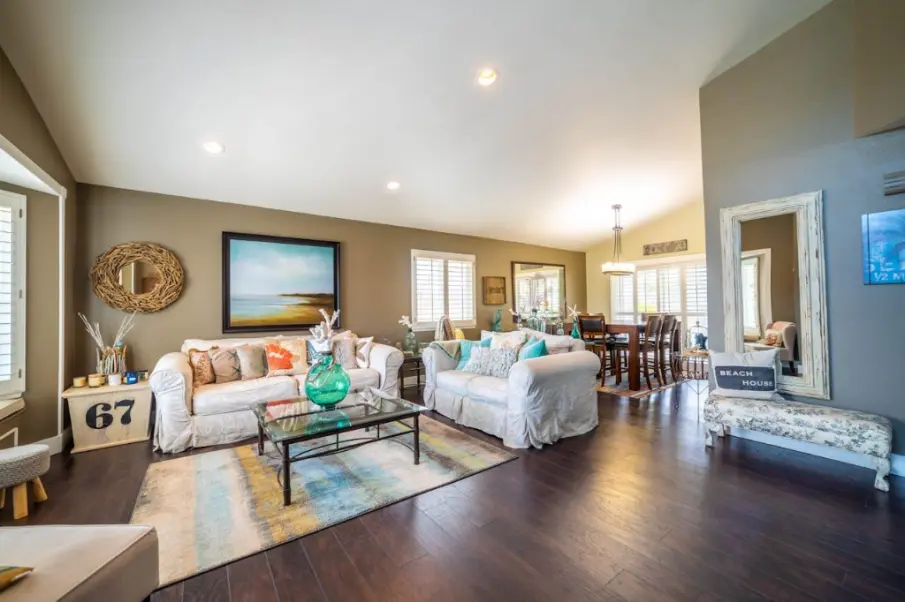
Current buyers face high prices and a small pool of available homes. This reality encourages many to view unique layouts with more patience. They walk through odd spaces and imagine changes or improvements rather than rejecting the home right away. The question now is whether unusual layouts still carry weight or if buyers have simply learned to accept them as part of Bay Area living.
Shift in Buyer Tolerance
Many buyers evaluate quirky layouts with an open mind. As long as the home delivers functional living areas, they focus on ways to personalize the space. A long hallway or a misplaced room might feel less concerning when paired with strong natural light or valuable outdoor access. These elements influence how comfortable a layout feels during a tour.
Investor interest also affects how sellers view layout challenges. Some homeowners prefer a direct sale when their property has an unusual floor plan, and they look toward solutions like John Buys Bay Area Houses for a faster and more predictable process. This creates opportunities for sellers who want to avoid long listing periods.
Families, first-time buyers, and long-term planners still care about privacy, flow, and comfort. Layouts that interrupt movement or create awkward room use can slow down decisions. Even so, many buyers now see quirky designs as manageable when the overall property meets their long-term needs.
Why These Layouts Exist Everywhere
Many homes across the region were built during different eras, and each era had its own ideas about how families should live. Earlier designs placed a stronger focus on separating rooms rather than opening them up, which created long hallways, tight kitchens, and bedroom layouts that feel unusual today. These choices made sense at the time, even though they do not match modern expectations.
Another reason for widespread quirky layouts comes from decades of additions. As families grew or housing prices increased, owners expanded their homes in ways that met immediate needs. Some enclosed patios, turned garages into bedrooms, or added small rooms without thinking about long-term flow. These changes created useful space, though they also shaped homes into layouts that feel unexpected to current buyers.
Terrain also plays a major role. Many neighborhoods sit on hills, slopes, and uneven land, so builders work creatively to fit structures onto challenging lots. This leads to multi-level designs, angled rooms, and stair placements that respond more to the landscape than indoor comfort. These conditions explain why unusual layouts appear so frequently across the region.
How Buyers Think Through a Weird Layout
During tours, many buyers try to picture how their routines would fit into a strange layout. A bedroom next to a dining room may feel odd until they visualize furniture placement or imagine lighter use of certain spaces. A narrow kitchen can seem more functional once they consider appliances or small updates. Some buyers enjoy this challenge because it sparks creative thought and makes the home feel more personal.
Future renovation potential plays a big role in buyer decisions. A layout that looks unusual might require only one wall removal or a doorway adjustment to fix flow issues. Buyers who understand renovation timelines and costs often feel comfortable making these changes after closing. Natural light further influences their reactions. Sunlight can make awkward rooms feel cheerful and open, which increases buyer willingness to accept the layout.
When Layouts Still Create Concerns
Some strange layouts still raise concerns for buyers who want long-term comfort. Privacy is one of the strongest factors. When bedrooms sit too close to loud areas or when bathrooms are placed in open view, buyers question whether the home supports daily routines. These reactions often appear during the selling process, since many shoppers focus on how well each space can support everyday life.
Flow is another reason buyers hesitate. A home that forces people to move through one bedroom to reach another or a layout that places key rooms far apart may feel inconvenient. Many buyers want a natural path through the home, and a confusing layout can interrupt that sense of ease. This slows decisions because buyers try to imagine how the layout would work during busy mornings or quiet evenings.
Functionality also influences reactions. A kitchen with limited workspace or a living room broken into small sections can affect how buyers picture gatherings or daily chores. When a layout restricts how a space can be used, it creates doubt about future enjoyment. These concerns shape final choices during the home-selling process, since buyers often compare how different homes support comfortable living.
Simple Fixes That Help Awkward Layouts
Sellers with quirky homes often wonder which improvements make a difference without major construction. Removing a non-load-bearing wall is one of the most impactful changes. It opens the space and helps buyers imagine modern living arrangements. Even a small change in wall structure can shift how the entire home feels.
Lighting upgrades also improve buyer impressions. Brighter bulbs, better fixtures, and fresh paint lighten the mood of tight or oddly shaped rooms. Buyers respond well to spaces that feel open and bright. Updating doorways can also help. A wider entry between rooms improves movement, even if the overall layout remains the same. Outdoor access enhancements, like adding a sliding door to a patio, can offset interior quirks by expanding the living experience.
What Sellers Should Keep in Mind
Sellers often fear that a weird layout will harm their chances of receiving strong offers. Presentation reduces this risk. Thoughtful staging helps buyers understand how each room can be used. Even quirky spaces feel natural when they contain the right furniture and decor. Clear communication in the listing also prepares buyers for what to expect, which increases comfort during tours.
A realistic price strategy helps as well. When buyers feel the home aligns with its market value, they forgive layout flaws more easily. Some buyers even enjoy finding homes with quirks because they want something different from typical cookie-cutter floor plans. Direct investor interest adds another layer of opportunity for sellers seeking efficient closings.
What the Future Likely Looks Like
Buyer tolerance for weird layouts seems tied to the overall competitive nature of the region. As long as inventory stays low and demand stays strong, people will continue adapting to what the market offers. Many buyers view quirky homes as creative projects rather than obstacles. Others see potential savings if the layout reduces competition.
There will always be buyers who prefer traditional layouts with clean, predictable flow. Still, the growing acceptance of unique designs shows that the market continues to evolve. Weird layouts now sit in a comfortable middle ground between challenge and opportunity, which keeps them very much alive in the housing conversation.
More to Read:









Previous Posts: