Why Reading Corners Are Becoming a Must-Have Space
Homes are changing shape, and one small addition is showing up again and again: the reading corner. It is not a library or a home office. It is a simple, quiet spot where a person can sit down with a book and forget the noise of the day.
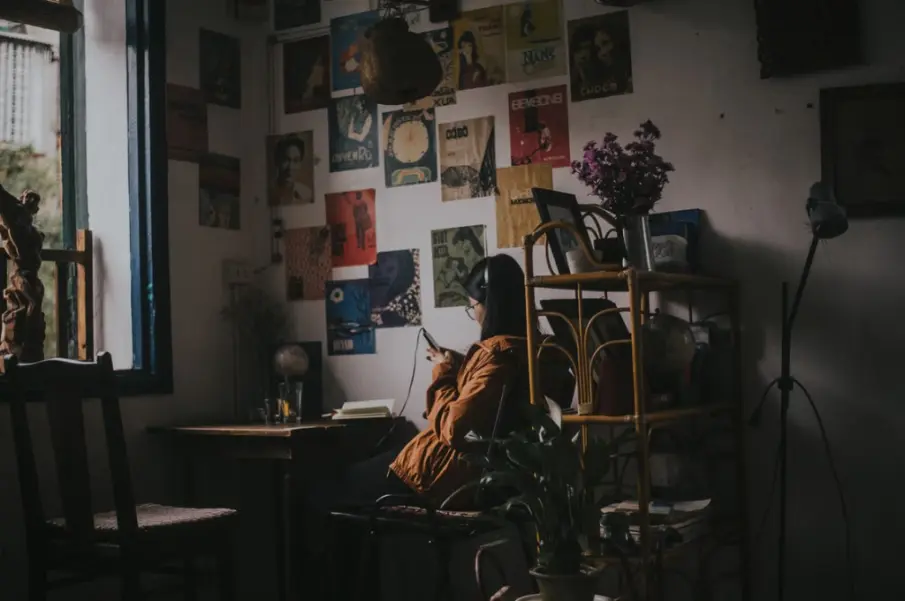
This shift says a lot about what people want from their living spaces right now. Comfort, calm, and a break from screens matter more than ever, and a reading corner delivers all three without needing extra square footage.
That is why so many families, renters, and homeowners are treating this small feature as a real priority rather than an afterthought.
1. A Cozy Trend Taking Over Modern Homes
More homeowners are carving out little reading nooks in places that used to sit empty, like a window ledge, a landing, or a forgotten corner near the bookshelf. Interior designers report that clients now ask for this feature almost as often as they ask for a kitchen island upgrade.
Part of the reason is simple: people spend so much time on phones and laptops that a dedicated analog space feels refreshing. A reading corner gives the brain permission to slow down, and that alone makes it worth the effort.
Home lifestyle blogs and design magazines have picked up on this trend too, and search interest in terms like reading nook ideas keeps climbing every year.
2. Small Space, Big Value
A reading corner does not need a large footprint. A single armchair, a side table, and good lighting can turn an unused three-foot gap into a functional retreat. This makes it one of the most affordable upgrades a homeowner can make.
Real estate agents also point out that small lifestyle features like this can influence how buyers feel about a property during a showing. A cozy nook adds warmth and personality, which helps a house feel like a home rather than just another listing on the market. Companies such as NJ iBuyers, which purchase homes directly from sellers, often note that small design touches, like a reading corner, can make a property stand out during quick evaluations. Even a modest, well-placed nook can shape a buyer's first impression of a space.
This kind of upgrade also works well for sellers on a tight budget. Staging one corner with a comfortable chair, a lamp, and a stack of books can make a room photograph better and feel more lived-in during open houses.
3. Picking a Spot That Works
Location matters more than size when planning this kind of setup. Natural light, a bit of privacy, and distance from constant foot traffic all help create the right mood for reading.
Good spots to consider include:
- A window bay or alcove with natural daylight
- An underused corner near a bookshelf or staircase
- A quiet section of a bedroom or home office
- A converted closet with the door removed
- A spot near a fireplace for colder months
4. Furniture and Lighting That Set the Mood
Comfort is the top priority in this kind of space. A supportive chair or a small daybed works better than a stiff, decorative piece that looks nice yet is not built for long sitting sessions.
Lighting also plays a bigger role than most people expect. Soft, warm light from a floor lamp or a wall sconce creates a calmer atmosphere than harsh overhead fixtures, and it protects the eyes during long reading sessions.
Color choices matter too. Soft neutrals, muted greens, and warm earth tones tend to make a small nook feel relaxing rather than cramped.
A few items that instantly upgrade a nook:
- A floor lamp with adjustable brightness
- A soft throw blanket
- A small side table for drinks or a stack of books
- A rug to define the space visually
- Storage baskets to keep clutter out of sight
5. Personal Touches That Make It Yours
A reading corner works best when it reflects the person using it. Family photos, a favorite plant, or a small piece of art can turn a plain seat into a space someone actually looks forward to using every day. Adding a scented candle or a small tray for tea and coffee gives the corner an inviting, ritual-like feel that makes reading time something to look forward to rather than a rushed activity squeezed between chores. It's a simple way of building smarter living spaces by creating comfort and function without a major renovation.
6. A Nook for Younger Readers Too
Kids benefit from having their own mini reading spot, and it often becomes one of their favorite areas in the house. A floor cushion, a low shelf of picture books, and a string of soft lights can turn a closet or corner into a magical little hideaway.
Parents also find that a dedicated reading area helps children build stronger habits around books. When the space feels inviting and belongs to them, kids naturally spend more time there instead of reaching for a tablet.
Teachers and pediatric specialists frequently mention that early exposure to a calm, book-filled space supports vocabulary growth. Even a small bin of pillows and a soft lamp can shape a lifelong reading habit.
|
Reading corners are proof that the best home upgrades are not always the biggest ones. A well-placed chair, the right light, and a few personal touches can turn any quiet corner into a favorite part of the house. As more people look for calm, screen-free moments in their daily routine, this simple feature will likely keep growing in popularity across homes of every size and style. |
FAQ
Q1: What is a reading corner?
Answer: A reading corner is a cozy, quiet space in a home designed specifically for reading. It typically includes comfortable seating and good lighting, allowing individuals to enjoy their books away from the distractions of daily life.
Q2: Why are reading corners becoming more popular in modern homes?
Answer: Reading corners are becoming popular as people look for a quiet space to relax and unplug from screens. NJ iBuyers knows that simple, cozy features like these can make a home more appealing.
Q3: What are some good locations for creating a reading corner?
Answer: Ideal locations for a reading corner include a window bay or alcove with natural light, an underused corner near a bookshelf or staircase, a quiet section of a bedroom or home office, or even a converted closet. The key is to choose a spot that offers privacy and minimizes foot traffic.
Q4: What furniture and lighting should I use for a reading corner?
Answer: For a reading corner, prioritize comfort with supportive seating like an armchair or small daybed. Use soft, warm lighting from a floor lamp or wall sconce to create a calming atmosphere. Adding items like side tables, rugs, and storage baskets can enhance the space's functionality and aesthetic.
Q5: How can I personalize my reading corner?
Answer: Personalizing your reading corner can be achieved by adding items that reflect your personality, such as family photos, favorite plants, or artwork. Incorporating scented candles or a small tray for drinks can also create an inviting atmosphere, making reading time a cherished ritual.