Home Inspection Results That Scare First-Time Buyers (And Why They Shouldn’t)
For many first-time buyers, the inspection report is the most stressful moment of the entire purchase. Excitement often turns into worry as soon as unfamiliar terms appear on the page. Notes about repairs or concerns can feel like warnings rather than information. Some buyers immediately start calculating worst-case costs in their heads. Others worry they made a mistake choosing the home. These reactions are common and usually unnecessary.
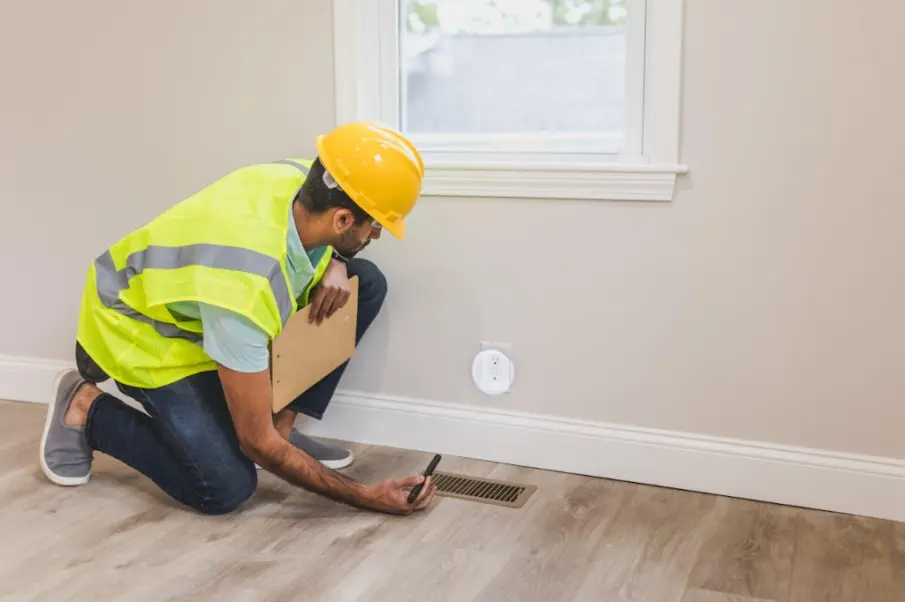
Home inspections are designed to show how a house currently stands, not to judge it harshly. Inspectors record visible conditions so buyers are informed before moving forward. Almost every home produces a report with multiple findings. This happens regardless of age, location, or price range. Understanding this helps buyers approach the report with balance instead of fear.
Why inspection reports feel heavy at first
Inspection reports are written with precision and caution. Inspectors rely on firm language to avoid confusion or missed details. This style can make routine issues sound more serious than they truly are. A long list of findings often feels overwhelming at first glance. Most homes, even well-maintained ones, generate similar reports.
First-time buyers often expect a short and simple document. That expectation rarely matches how inspections work in practice. Homes experience wear through daily living, weather, and time. Inspectors document these changes to give buyers clarity. Seeing many notes does not mean the home is unsafe or poorly maintained.
This is where guidance becomes valuable. Buyers reviewing reports with professionals like Chris Buys Homes KC often gain perspective quickly. They learn which items are normal and which deserve closer attention. That clarity reduces fear early in the process. Understanding replaces uncertainty.
Minor findings that cause unnecessary worry
Many inspection notes describe common household wear. Loose cabinet handles, small wall cracks, or worn weather seals appear in countless reports. These conditions develop naturally as homes are lived in. Inspectors include them to stay thorough and transparent. Most of these items are inexpensive to address over time. They rarely impact safety or long-term value.
Plumbing and electrical comments also cause stress for new buyers. Notes about slow drains or older outlets can sound risky at first. These conditions are common in many homes, even those in good shape. Repairs are usually straightforward and manageable. Inspectors mention them so buyers stay informed. Awareness does not equal urgency.
Exterior items often appear as well. Peeling paint, trim gaps, or uneven concrete surfaces develop through weather exposure. Time plays a major role in these findings. Inspectors list them to highlight maintenance needs. These notes help buyers plan. They do not signal major structural trouble.
Big words that feel scarier than they are
Certain inspection terms stop buyers immediately. Language related to structure, old wiring, or foundations can sound alarming. In many cases, these notes describe minor movement or older building standards. Inspectors flag them so buyers are aware of differences from modern practices. The wording feels heavy, though the issue may be manageable. Context changes everything.
Roof-related comments also raise concern quickly. Reports often mention roof age or visible wear. This does not automatically mean replacement is needed soon. It helps buyers understand future maintenance planning. Planning creates confidence instead of fear. Knowing what to expect matters.
Reading only summaries can increase anxiety. Full explanations often soften the meaning of a note. Inspectors usually explain whether an item needs monitoring or repair. That distinction matters for decision-making. Details bring reassurance.
What inspections can realistically show?
Home inspections are visual assessments. Inspectors do not open walls or remove systems during the visit. They review what is accessible and safe to inspect. When something cannot be fully checked, they recommend monitoring. This reflects caution, not danger.
Recommendations for specialists often worry buyers. These notes usually mean that additional information would help. They do not confirm that hidden damage exists. They give buyers options for clarity. Options reduce stress. Inspections show the home’s current condition only. They do not predict future issues or failures. Every home requires upkeep over time. Seeing inspections as a snapshot helps manage expectations. No house is maintenance-free.
Seller expectations around inspection results
Most sellers expect inspections to uncover issues. Very few homes receive reports without comments. Sellers often already know about minor wear. Homes are priced with these realities in mind. Inspection findings rarely shock experienced sellers.
Sellers also expect buyers to raise questions. Requests for repairs or credits are common and reasonable. These conversations are part of buying in today’s housing market. They are not taken personally. Everyone involved wants progress toward closing.
Many sellers offer practical solutions. Some agree to repairs, while others offer price adjustments. Flexibility is common in negotiations. Inspection reports often encourage cooperation. This helps first-time buyers feel less pressure.
Inspection talks are normal, not awkward
Inspection results open a discussion rather than a conflict. Buyers can raise concerns calmly and clearly. Sellers usually respond with options or explanations. This back and forth is expected. It does not mean the deal is at risk. First-time buyers sometimes stay quiet due to fear. Worry about losing the home plays a role.
Clear communication works better than silence. Knowing which items matter most keeps discussions productive. Focusing on safety and structure helps guide talks. Cosmetic items can often wait. Priorities keep emotions in check. Confidence grows with understanding.
Turning inspection stress into clarity
Inspection reports are not warnings to walk away. They are guides that explain a home’s condition honestly. They show what needs attention now and what can wait. This helps buyers plan responsibly. Planning replaces panic. For first-time buyers, mindset matters most. No home is perfect, even new ones. Inspections exist to protect buyers, not scare them. When read with perspective, the report becomes a useful tool. Informed buyers move forward with confidence rather than fear.
More to Read:









Previous Posts: